
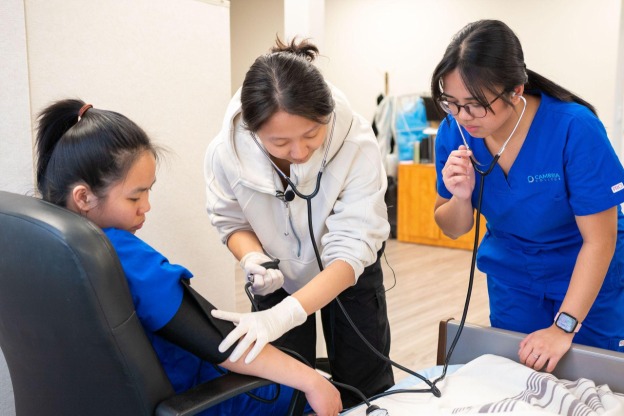
Nursing is one of the few professions where academic knowledge must translate directly into practical decisions. Students preparing for healthcare careers need to understand human biology, recognize symptoms, communicate with patients, and respond to unexpected situations. These responsibilities make nursing education particularly demanding. Unlike many other degree programs, nursing courses combine classroom learning with clinical practice and professional training.
The growing expectations placed on future healthcare workers have also changed the way students approach their studies. They must develop strong research skills, learn to evaluate medical information, and understand the principles behind evidence-based care. Managing all these responsibilities requires discipline, curiosity, and the ability to organize time effectively.
What Makes Nursing School More Challenging Than Other College Programs?
Nursing school is demanding because students must master theoretical knowledge while developing practical skills under professional supervision. A typical program covers anatomy, physiology, pharmacology, microbiology, patient assessment, and healthcare ethics. Each subject introduces information that future nurses will need in real clinical situations.
The difficulty often comes from the connection between these subjects. Understanding how a medication works requires knowledge of human physiology and potential side effects. Similarly, recognizing changes in a patient’s condition involves observation, clinical reasoning, and knowledge of common medical conditions.
Students also face a considerable amount of independent academic work. Research papers, case studies, presentations, and reflective assignments are common parts of nursing programs. These tasks require more than memorizing lecture notes. Students must interpret information, compare research findings, and explain their conclusions in clear academic language.
Another challenge is the responsibility associated with clinical education. Mistakes in a classroom exercise may provide a learning opportunity, but clinical decisions can affect real patients. This makes preparation especially important. Students need to approach each assignment with the same attention to detail they will eventually bring to professional practice.
How Does Clinical Practice Affect Nursing Students’ Academic Workload?
Clinical placements increase the academic workload because nursing students must apply classroom knowledge in supervised healthcare settings. They attend practical sessions, observe experienced professionals, and learn how to communicate with patients from different backgrounds.
These placements often require preparation before students arrive at a healthcare facility. They may need to review patient conditions, understand treatment procedures, and complete documentation after each session. Reflection assignments also encourage students to examine their decisions and identify areas for improvement.
Time management becomes difficult when clinical hours overlap with regular coursework. A student might spend an entire day in a hospital and still need to prepare a research paper or study for an examination. This schedule can become especially demanding during periods when several deadlines fall within the same week.
Clinical education also develops skills that traditional examinations cannot fully measure. Students learn how to remain calm under pressure, communicate clearly, and respond to changing situations. These experiences help them understand the human side of healthcare and prepare for the expectations of professional nursing.
Why Are Research Papers and Academic Assignments Important in Nursing Education?
Research papers and academic assignments teach nursing students how to evaluate medical evidence, explain clinical decisions, and connect scientific findings with patient care. Writing is therefore an important part of professional preparation, not simply another graduation requirement.
A nursing assignment may involve reviewing medical literature, examining a patient scenario, or comparing different approaches to treatment. Students must identify reliable information and explain why particular findings matter. They also need to present their arguments in a structured way and follow appropriate academic citation standards.
For many students, the challenge is finding enough time to complete these tasks while maintaining their clinical responsibilities. A detailed paper can require several stages of work, including topic selection, research, outlining, drafting, and editing. Nursing assignments also demand a good understanding of medical terminology and the ability to interpret scientific findings. When several deadlines overlap, even well-organized students may struggle to maintain a consistent schedule. Those who need additional guidance with complex academic writing may explore the PapersOwl nursing paper writing service while developing a clearer understanding of research structure, academic expectations, and subject-specific writing requirements. This can be particularly relevant when students encounter unfamiliar assignment formats or need to understand how different types of academic papers are structured. For example, a case study requires a different approach from a literature review. The first focuses on interpreting a particular clinical situation, while the second examines existing evidence across multiple studies. Understanding these differences helps students plan their work more effectively and avoid common structural mistakes.
Access to an outside perspective can help students understand what makes an academic argument convincing. Students can also improve their writing by reviewing feedback, checking their references, and comparing their work with assignment criteria. Developing these habits takes time, but the benefits extend beyond college. Nurses regularly communicate complex information to colleagues, patients, and other healthcare professionals. Clear writing helps them document observations and explain important decisions accurately. Academic assignments therefore contribute to communication skills that remain valuable throughout a nursing career.
How Can Nursing Students Balance Coursework, Clinical Practice, and Personal Life?
Nursing students can balance their responsibilities by creating realistic schedules and dividing large assignments into smaller tasks. A detailed weekly plan makes it easier to see how much time remains for studying, clinical placements, and personal activities.
One useful approach is to organize tasks according to urgency and importance. Examinations and clinical preparation may require immediate attention, while longer research projects can be divided into manageable stages. Completing a small part of an assignment each day often feels less stressful than trying to finish everything shortly before the deadline.
Students should also consider their energy levels when planning their schedules. Reading complex medical research after a demanding clinical shift may not be productive. Less intensive tasks, including organizing references or reviewing notes, may be more suitable for those periods.
Personal time deserves a place in the schedule as well. Sleep, regular meals, physical activity, and contact with friends and family help students maintain a healthier routine. Constantly sacrificing rest for academic work can make concentration and memory worse.
Another useful habit is communicating with instructors early. Asking questions about assignment requirements or requesting clarification can prevent unnecessary work. Students who identify difficulties before deadlines have more opportunities to adjust their plans.
What Skills Help Future Nurses Succeed During Their Studies?
Successful nursing students combine clinical reasoning, communication, organization, and a willingness to keep learning. These abilities develop gradually through academic assignments, practical training, and everyday interactions.
Critical thinking is particularly important because healthcare situations rarely follow identical patterns. Nurses must consider available information, recognize potential risks, and understand when additional professional input is necessary. Academic case studies provide opportunities to practice this kind of reasoning before entering independent professional roles.
Communication is equally valuable. Nurses work with patients, families, doctors, and other healthcare professionals. They need to explain information clearly, listen carefully, and adapt their communication style to different situations.
Research literacy also plays an increasingly important role. Medical knowledge changes as new studies become available. Future nurses must know how to distinguish reliable evidence from unsupported claims and understand how research findings relate to clinical practice.
Finally, adaptability helps students manage the unpredictable nature of healthcare education. Clinical schedules can change, assignments may become more complex, and unfamiliar situations can arise during placements. Students who approach these experiences with patience and curiosity are better prepared to handle professional challenges.
How Is Nursing Education Preparing the Next Generation of Healthcare Professionals?
Nursing education prepares future professionals by combining scientific knowledge, practical experience, and lifelong learning. The growing interest in nursing careers reflects the importance of this field and the need to prepare qualified healthcare workers.
The American Association of Colleges of Nursing reported that enrollment in entry-level Bachelor of Science in Nursing programs increased by 7.6% in 2025. At the same time, nursing schools turned away 92,672 qualified applications across baccalaureate and graduate programs because of limited educational capacity and other constraints. These figures highlight both the strong interest in nursing and the challenges involved in expanding educational opportunities.
Students entering the profession must therefore be ready for a demanding learning process. Academic preparation, clinical experience, and effective personal organization all contribute to their development. Although nursing school requires considerable effort, the knowledge and skills gained during these years create a foundation for meaningful work.
Those interested in the wider picture can explore the American Association of Colleges of Nursing’s nursing education enrollment and workforce statistics. Its research provides further insight into educational capacity and the challenges facing nursing schools.
Ultimately, becoming a nurse involves much more than completing a degree. It requires patience, responsibility, and a commitment to improving people’s lives. Students who build strong learning habits during their education will carry those qualities into their future careers.